How It Spreads
One ribbon. Infinite reach. The intimacy never lost.
The mechanism is the message. Six ways the ribbon travels — each one quiet, each one in person, each one protecting the moment between two people.
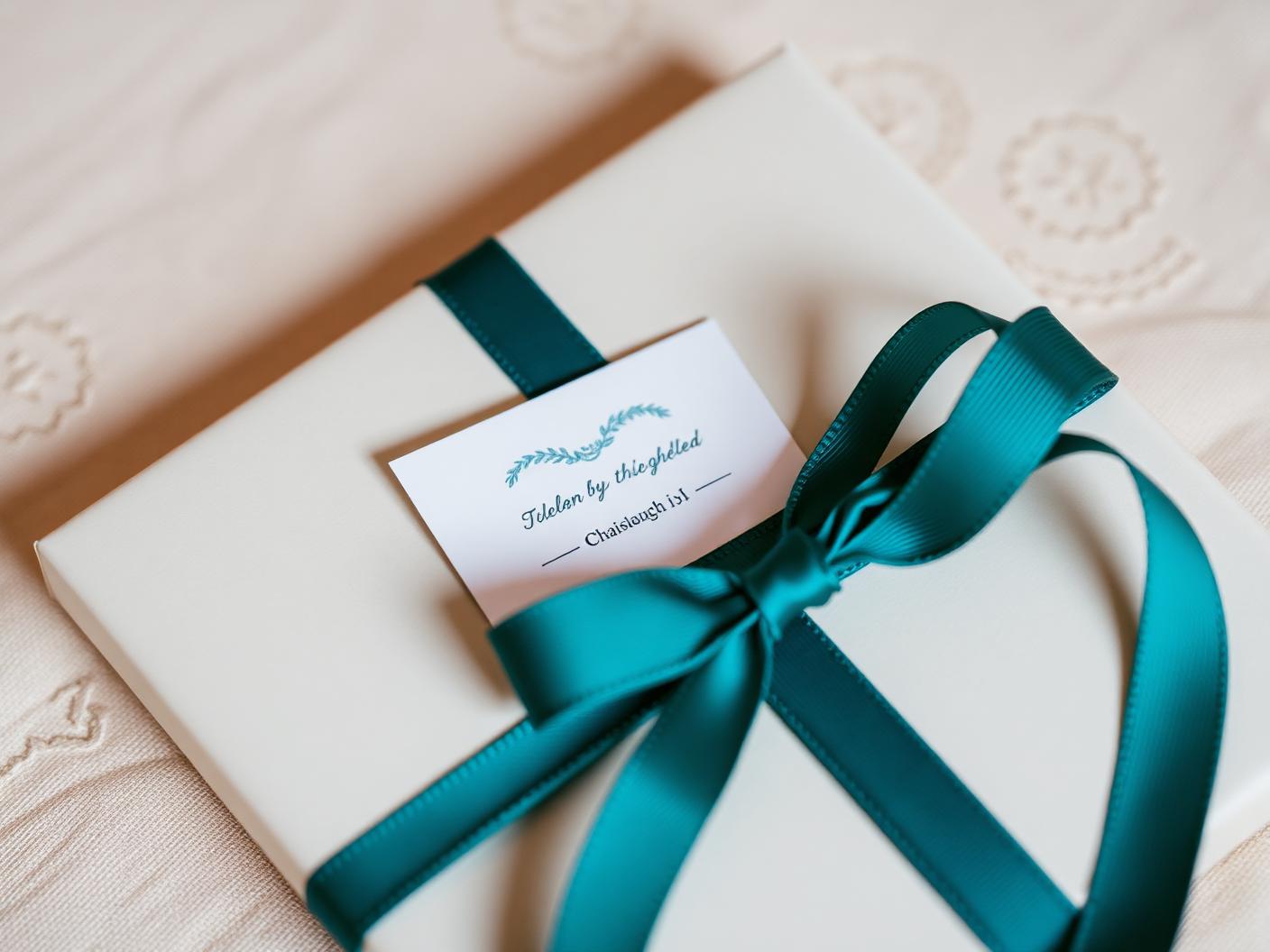
The Ribbon and the Code
The ribbon that can't be copied.
Each of the original ten thousand ribbons is given by a Jewish Australian to one person they trust. Inside the second envelope is something quieter — a single printed code.
The code is not a ribbon. It is permission to give one. The receiver passes it to the one person they choose, in person, with the same conversation. The code without the conversation is nothing. The conversation without the code still counts.
One ribbon, given by hand, becomes ten. Ten become a hundred. The intimacy is never lost, because the moment is the only thing the code unlocks.
One ribbon. Infinite reach. The intimacy never lost.
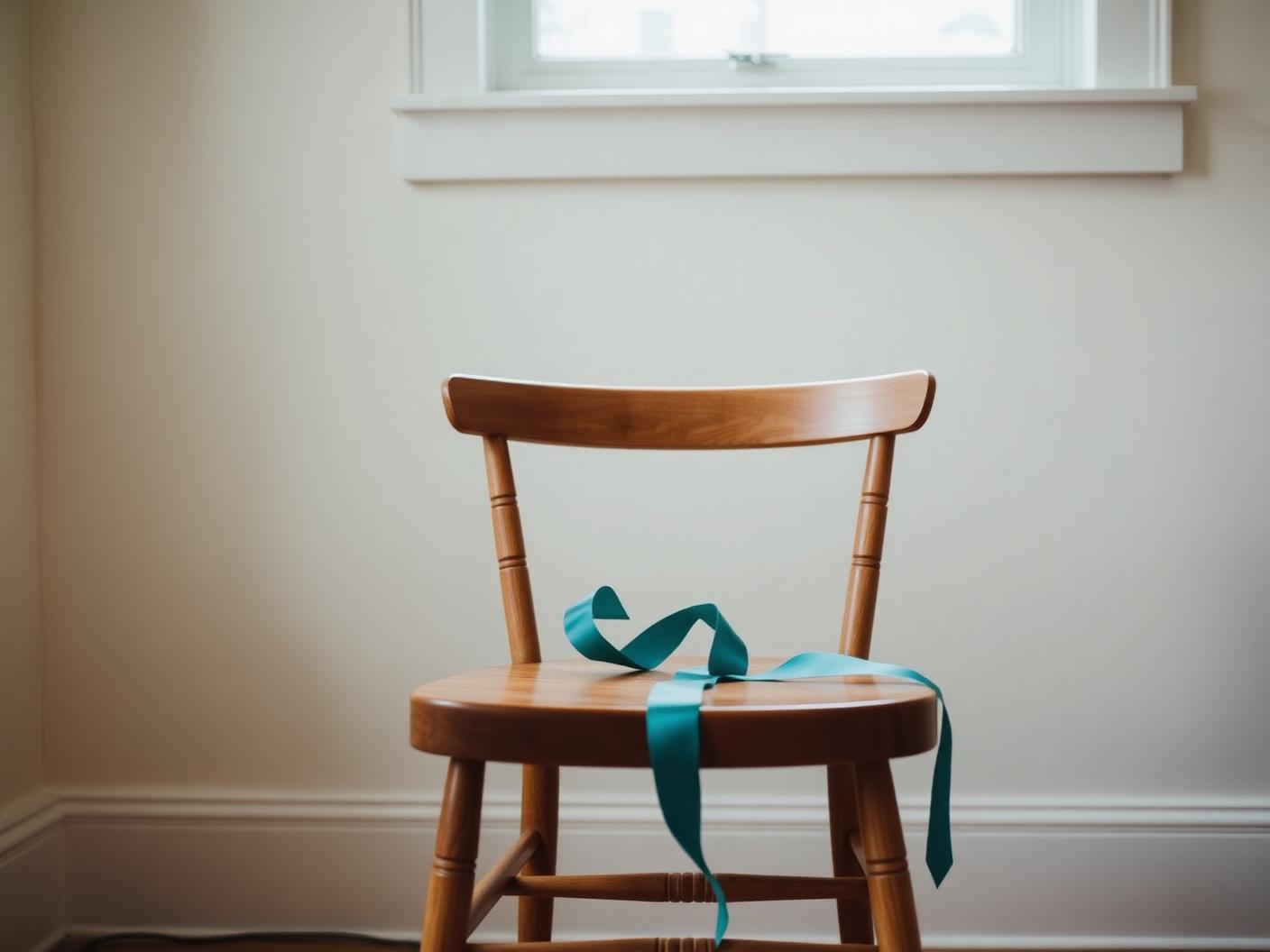
The Empty Chair
A seat we're keeping for you.
A single teal ribbon, placed on an empty chair. In a café. A classroom. A boardroom. A footy club. No sign. No explanation.
When someone asks what it means, the conversation begins. In Jewish tradition the empty chair holds space for someone not yet at the table.
This chair is for you. Come in.
No sign. No explanation. Just a chair, waiting.
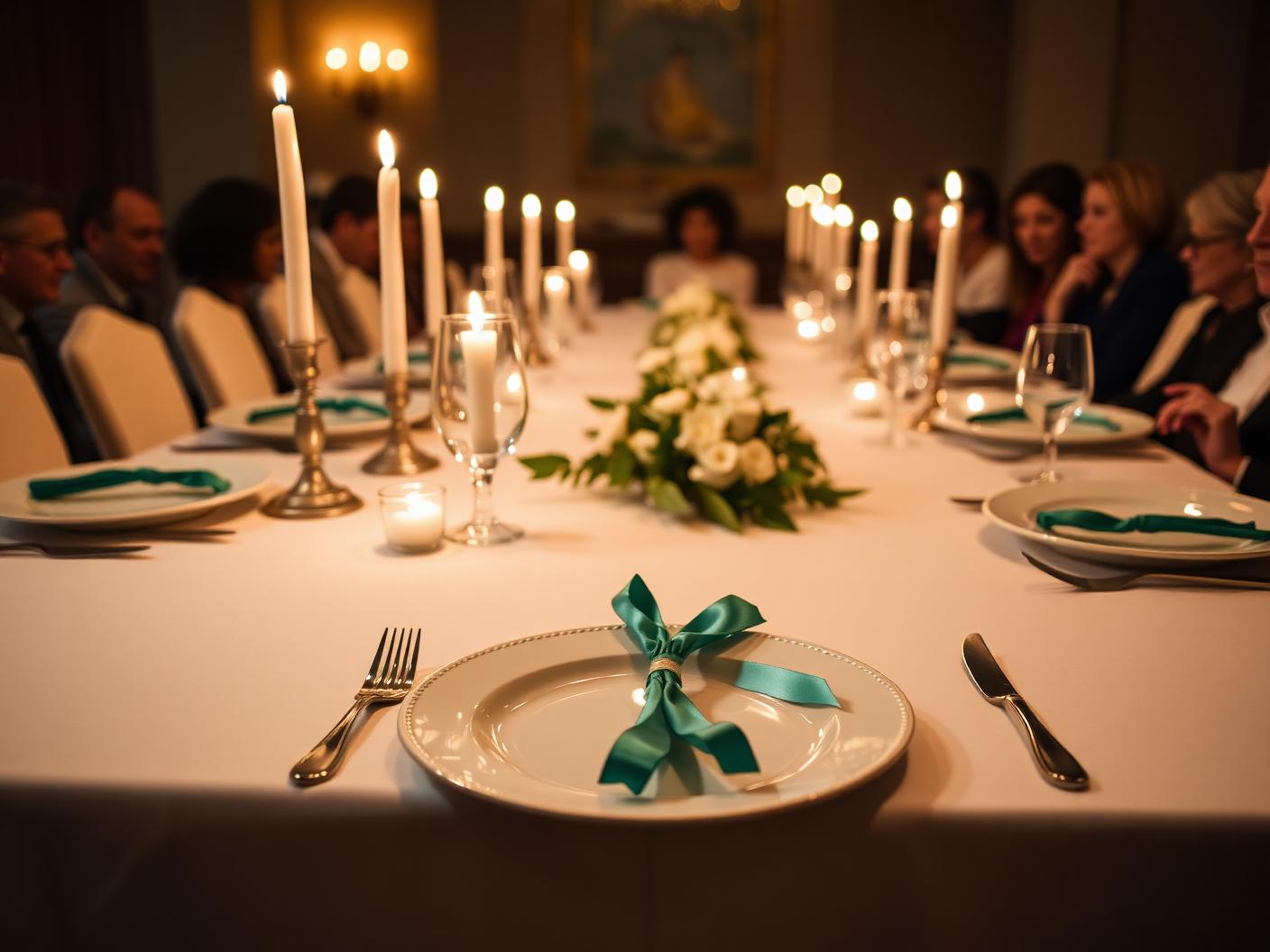
The Shabbat Table
The most powerful table in Australia.
Every Friday night, Jewish families across Australia set one extra place at their Shabbat table — and invite one non-Jewish Australian to sit at it.
The ribbon is given over food, in someone's home, on the holiest night of the Jewish week. Candlelight. Bread. The week put down.
People who break bread together don't forget each other. The ribbon given at a Shabbat table is carried differently than any other.
Bread. Candlelight. The week put down. Then the question.
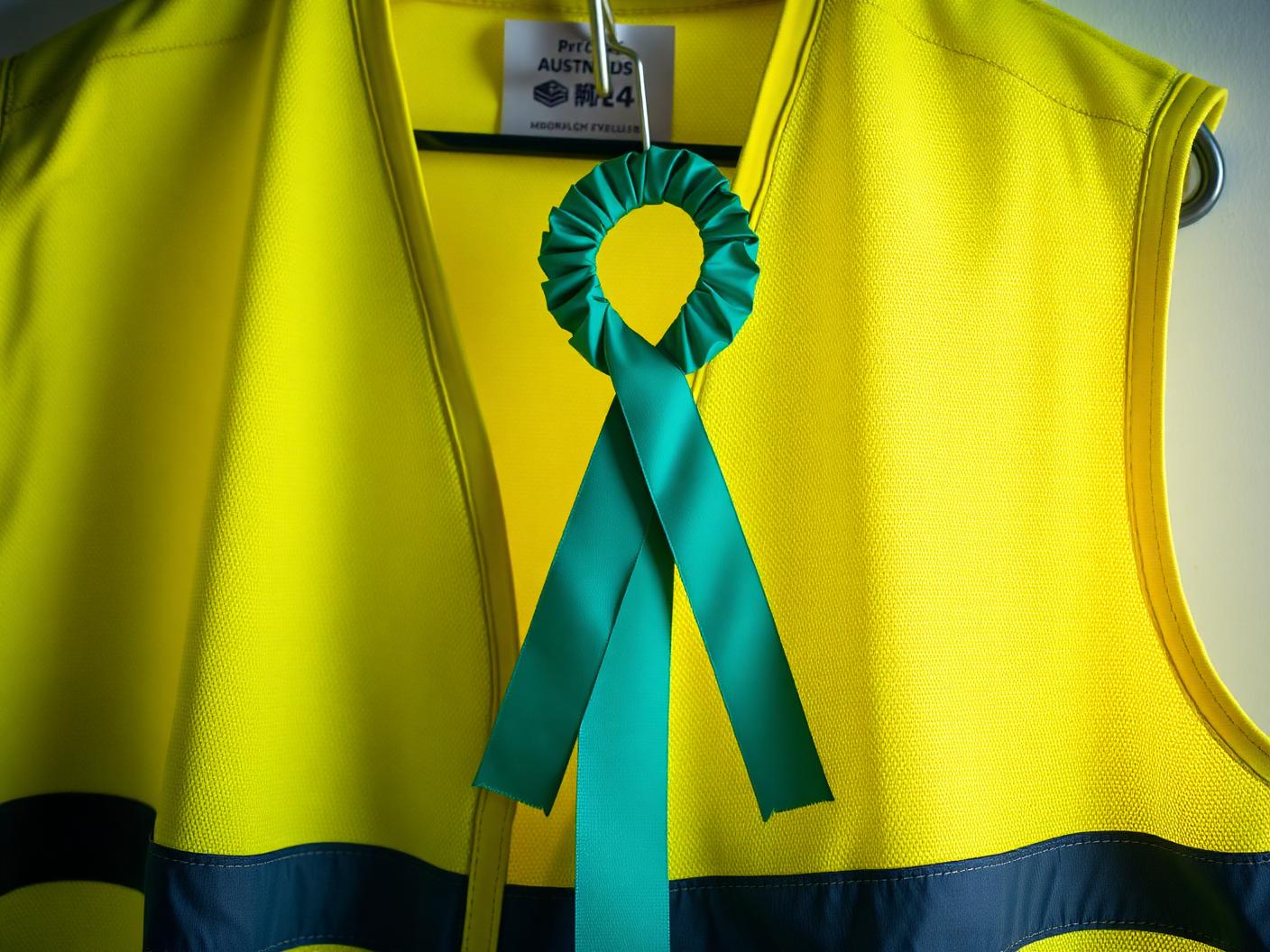
The Tradie Ribbon
The ribbon on the hi-vis.
Australia runs on tradies. They move through every suburb, every home, every community.
When a Jewish homeowner gives their trusted tradie a ribbon — and that tradie shows up to the next job wearing it — the conversation happens in kitchens, on building sites, at Bunnings at seven in the morning.
A teal ribbon on a hi-vis vest reaches parts of Australia no other mechanic can touch.
Kitchens. Building sites. Bunnings at 7am.
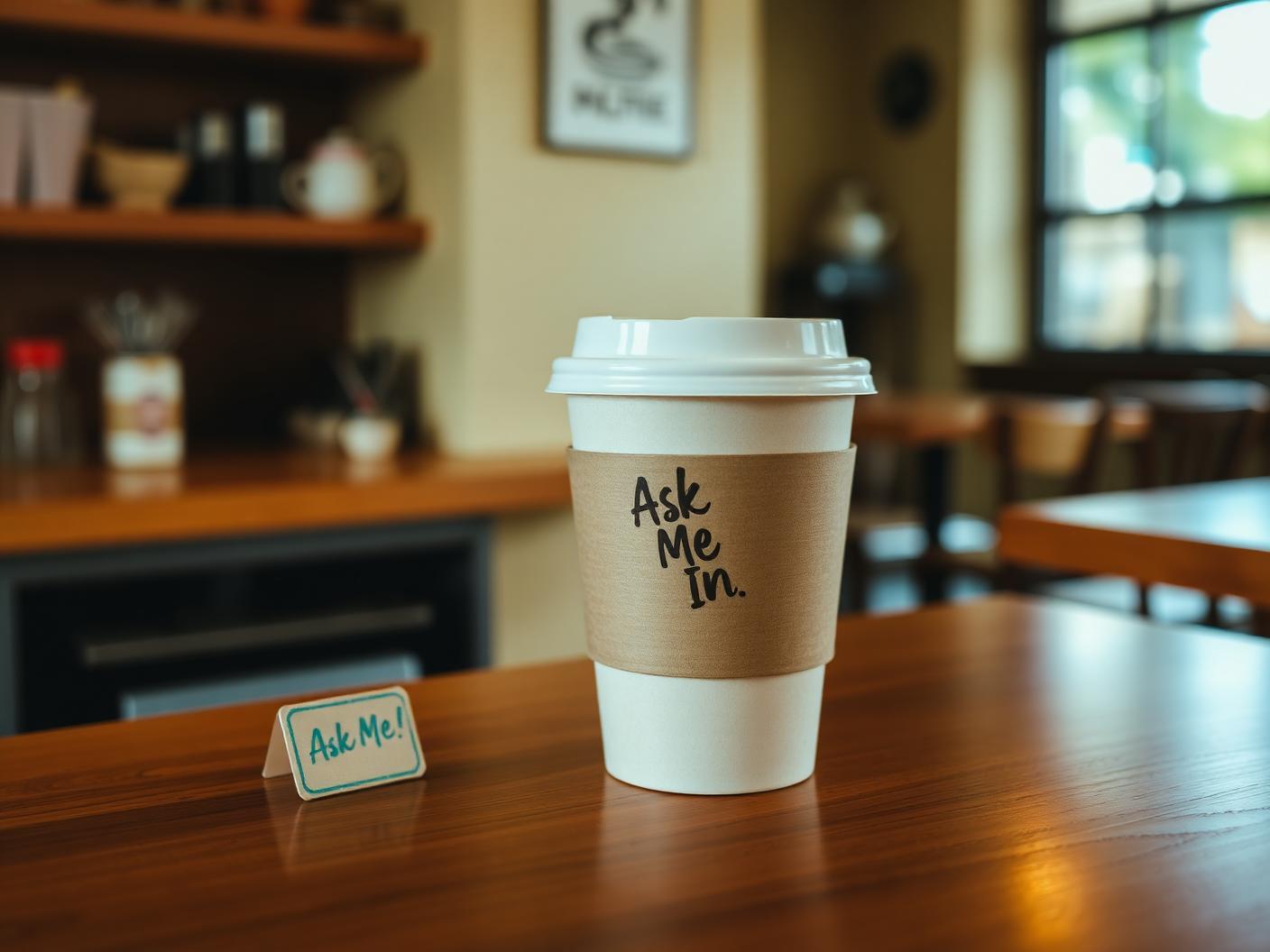
The Deli Stamp
Two words on your morning coffee.
A small teal stamp. Two words. Ask Me In. On coffee cups, paper bags, receipts at participating cafés and businesses. No explanation.
When customers ask what it means, the person behind the counter has the conversation. The ribbon can't be given there — but a connection to someone who has one can.
The community becomes the destination, not just the distributor.
The cup is the question. The counter is the door.

The Museum
The most sacred ribbon of all.
At the end of the Holocaust museum experience — after the last room, after the weight of what you've witnessed — a volunteer is standing there.
They look at you, and they say: thank you for coming. Will you carry this?
Two ribbons. One for you. One for someone you'll choose — someone you think should make this same journey. The ribbon that leaves the museum already carries everything inside it. You will never be able to give it to someone without telling them why.
Will you carry this?
Six doors. One invitation.